
Prevent a Broken Spring: Top Garage Door Maintenance Tips
- COMMERCIAL GARAGE DOOR REPAIR
- GARAGE DOOR OPENER INSTALLATION
- GARAGE DOOR SPRING REPAIR
- SAME-DAY GARAGE DOOR REPAIR
- CUSTOM GARAGE DOOR
- GARAGE DOOR OPENER REPAIR
- GARAGE DOOR TRACK REPAIR
- GARAGE DOOR CABLE REPAIR
- GARAGE DOOR PANEL REPAIR
- LOCAL GARAGE DOOR REPAIR
- GARAGE DOOR REPLACEMENT
- NOISY GARAGE DOOR FIX
- GATE REPAIR
- GARAGE DOOR INSTALLATION
- GARAGE DOOR SECTION REPLACEMENT
- OVERHEAD GARAGE DOOR REPAIR
Prevent a Broken Spring: Top Garage Door Maintenance Tips
Your garage door is likely the heaviest moving object in your home, and the springs do the heavy lifting every time you press the remote. Despite their strength, these metal coils have a limited lifespan. While wear and tear are inevitable, you can significantly extend the life of your system with proper care. Ignoring routine maintenance often leads to a sudden broken spring, leaving your car trapped inside or your home vulnerable. The team at Westerville Garage Door Repair recommends a proactive approach to keep your door operating smoothly for years to come.
The Importance of Routine Lubrication
Friction is the enemy of garage door springs. Every time the coils expand and contract, metal rubs against metal. Over time, this friction causes micro-damage that weakens the steel, eventually leading to a snap. A simple lubrication schedule is one of the most effective ways to prevent premature failure.
You should lubricate your garage door springs at least twice a year. Use a high-quality garage door lubricant spray—avoid WD-40 or heavy grease, as these attract dust and grit that act like sandpaper on the coils.
Applying the Lubricant Correctly
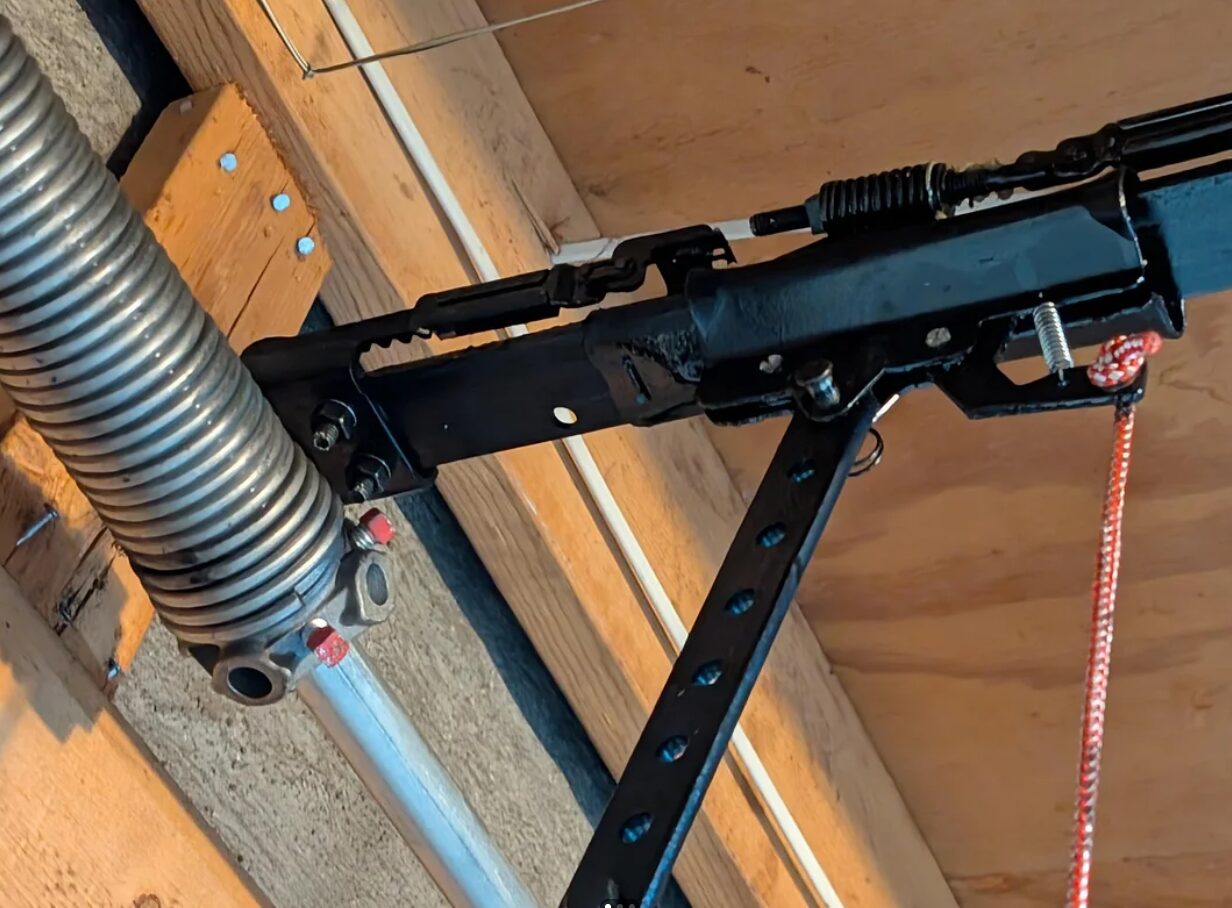
To lubricate effectively, close the garage door so the springs are under tension and accessible. Stand on a sturdy stepladder and spray the lubricant generously along the entire length of the torsion springs (the ones above the door) or extension springs (the ones along the side tracks). Ensure the oil penetrates between the coils. Wipe away any excess drips to keep the area clean. This simple five-minute task reduces noise, minimizes friction, and protects the metal from rust and corrosion.
Checking for Balance and Alignment
An unbalanced garage door puts unnecessary strain on the springs, forcing them to work harder than designed. If the door is out of balance, the springs wear out much faster, increasing the risk of a broken spring.
Testing the balance is straightforward. Disconnect the automatic opener by pulling the red emergency release cord. Manually lift the door about halfway up. A properly balanced door will stay in place, supported entirely by the spring tension. If the door slams shut or shoots upward, the tension is incorrect.
Why Professional Adjustments Matter
If your test reveals an imbalance, do not attempt to adjust the spring tension yourself. As mentioned in safety guides, the tension in these coils is dangerous. Instead, contact a professional to re-balance the system. Regular balance checks—performed every six months—allow you to catch issues early. When the door moves smoothly and stays balanced, the springs experience less stress during every cycle. This significantly prolongs their operational life and keeps your system safe for daily use.
By combining regular lubrication with balance checks, you actively fight against the common causes of spring failure. While no spring lasts forever, these maintenance habits ensure you get the maximum value out of your hardware and avoid the inconvenience of an unexpected breakdown.